
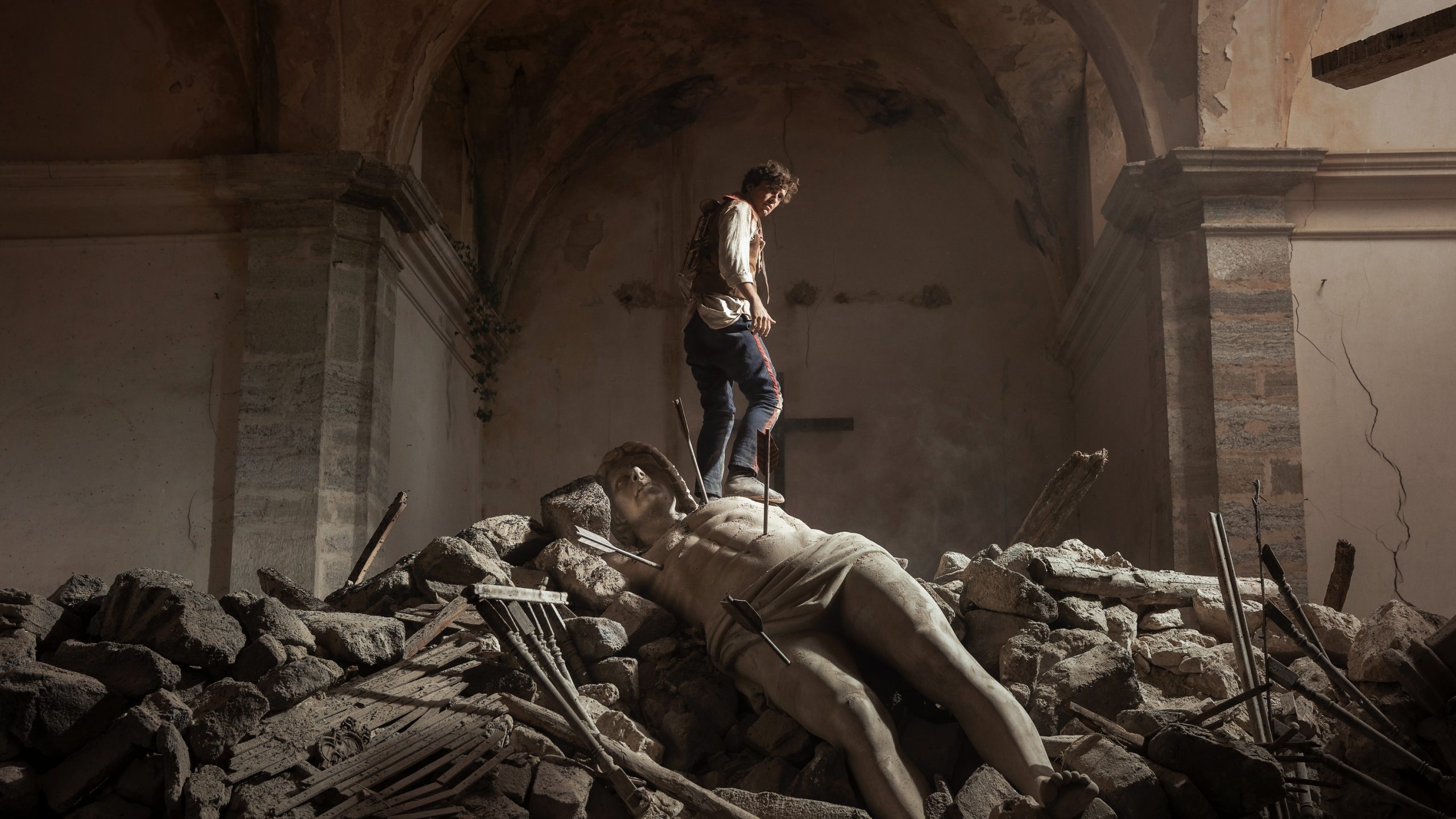
La bola negra Filming Locations: The Real Places Where Los Javis Bring Their Story to Life
Granada, Cantabria, Burgos, Guadalajara and Madrid all feature in the filming locations of La bola negra, the new film by Los Javis. Discover the real locations behind the production and how they help shape its atmosphere, connect different eras and bring the story to life.
Some films use locations simply as backdrops. In others, the places themselves become part of the story.
La bola negra, the new film by Javier Calvo and Javier Ambrossi, belongs to the latter category. Spanning three different periods — 1932, 1937 and 2017 — it connects the lives of three men through desire, identity, memory and inheritance. The film draws inspiration from an unfinished work by Federico García Lorca and La piedra oscura, by Alberto Conejero.
To build this world, Los Javis travelled across much of Spain. Filming began in August 2025 in Castil de Carrias, in the province of Burgos, before moving to various locations in Cantabria, Granada and Sigüenza, and later to Madrid. Part of the production also took place outside Spain.
At Locationow, specialists in film and audiovisual location services in Spain, we are particularly interested in the places that made this story possible on screen. Location scouting is about much more than finding a beautiful space. It means identifying locations with the right texture, scale, light and sense of history to serve a story.
Where Was La bola negra Filmed?
The production of La bola negra took place across several parts of Spain. Among its key filming locations are:
- Granada: including Carmen de los Mártires, Plaza Nueva, Plaza de Santa Ana, the Albaicín, Huerta de San Vicente and other locations across the province.
- Cantabria: particularly Comillas, Valdáliga, Herrerías and the surrounding Oyambre area.
- Castil de Carrias, Burgos: one of the first locations used during filming.
- Sigüenza, Guadalajara: known for its historic architecture.
- Madrid: providing a contemporary contrast in a film that also looks towards the present.
Granada: When a Location Becomes More Than a Setting
The film is rooted in the unfinished work of Federico García Lorca and the world associated with the poet. Filming in Granada therefore means more than recreating a particular historical period: it means working in a place deeply connected to Lorca’s own history and legacy.
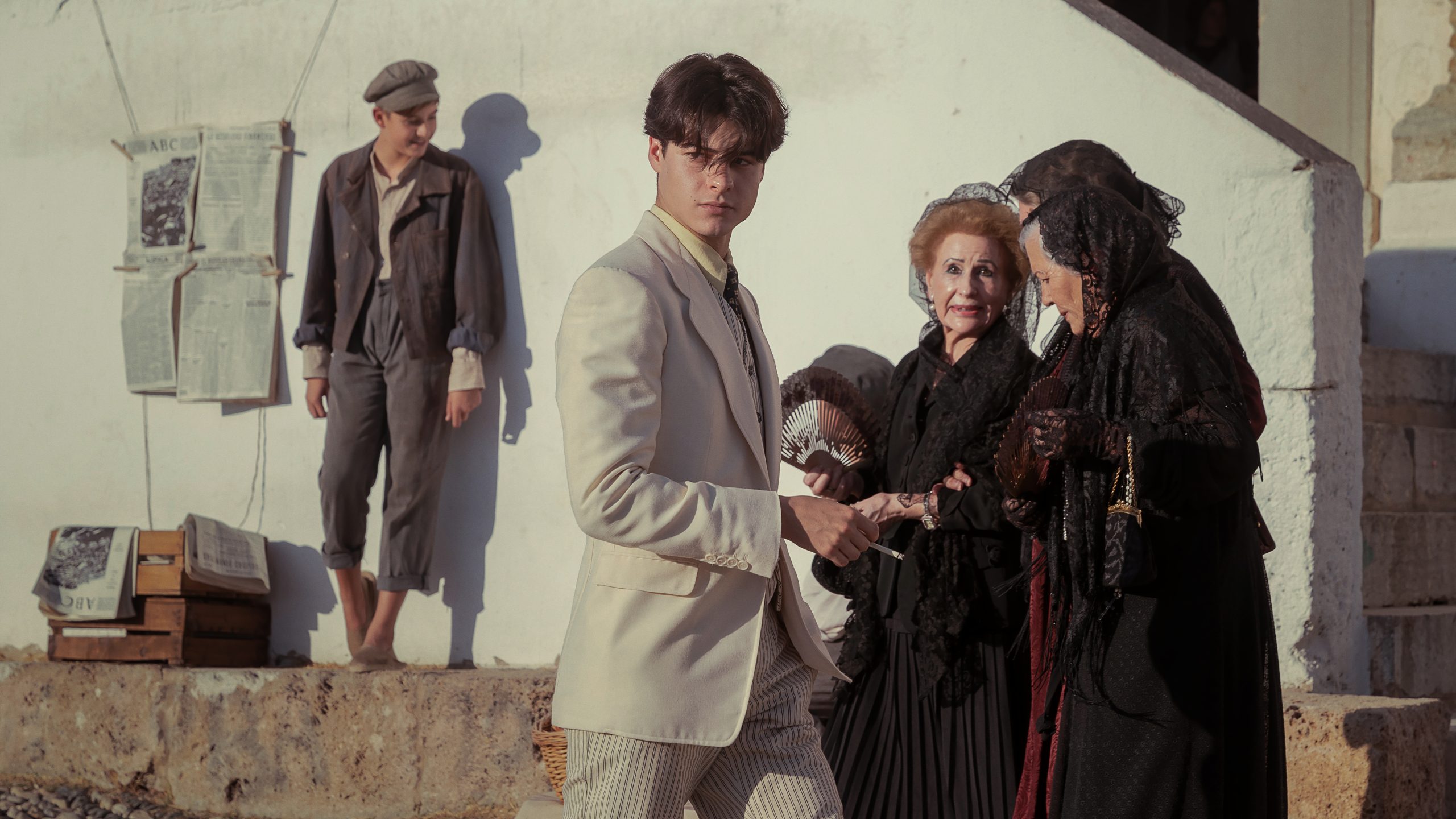
In the city, Los Javis filmed in locations such as Plaza Nueva and Plaza de Santa Ana, beside the Darro River. These urban spaces were transformed to recreate 1930s Granada, using period vehicles, background actors and carefully designed set dressing. This is where an urban location takes on an additional layer of meaning.
A square becomes more than a square. Existing architecture becomes part of the production design, while art direction, costumes, vehicles, extras and staging allow a contemporary space to travel almost a century back in time on camera.
Carmen de los Mártires: Architecture, Gardens and a Sense of Time
One of Granada’s most distinctive filming locations is Carmen de los Mártires, situated on Mauror Hill within the monumental setting of the Alhambra. Its combination of historic architecture and landscaped gardens offers a particularly valuable resource for film and audiovisual productions: several different atmospheres within a single location.
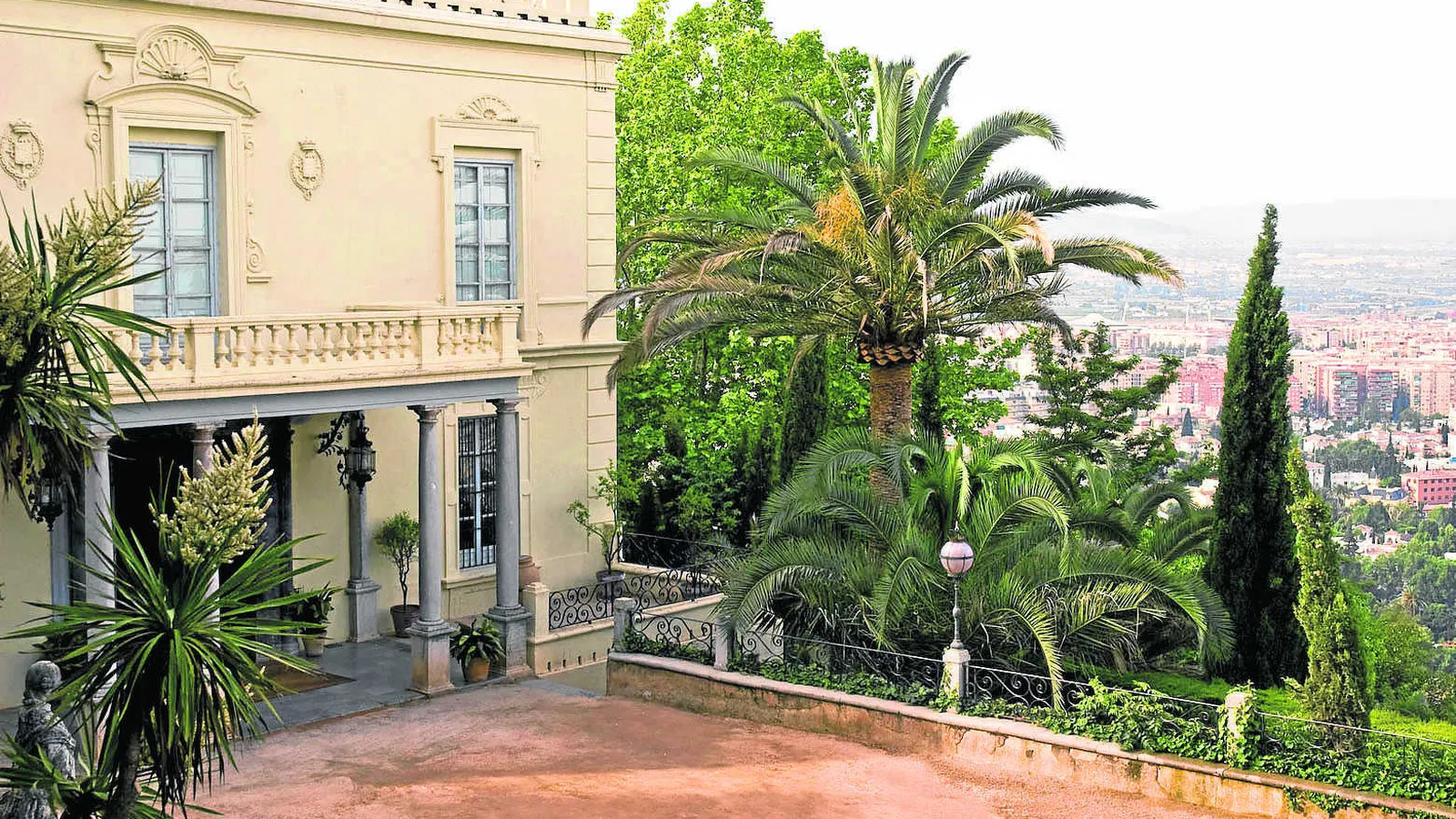
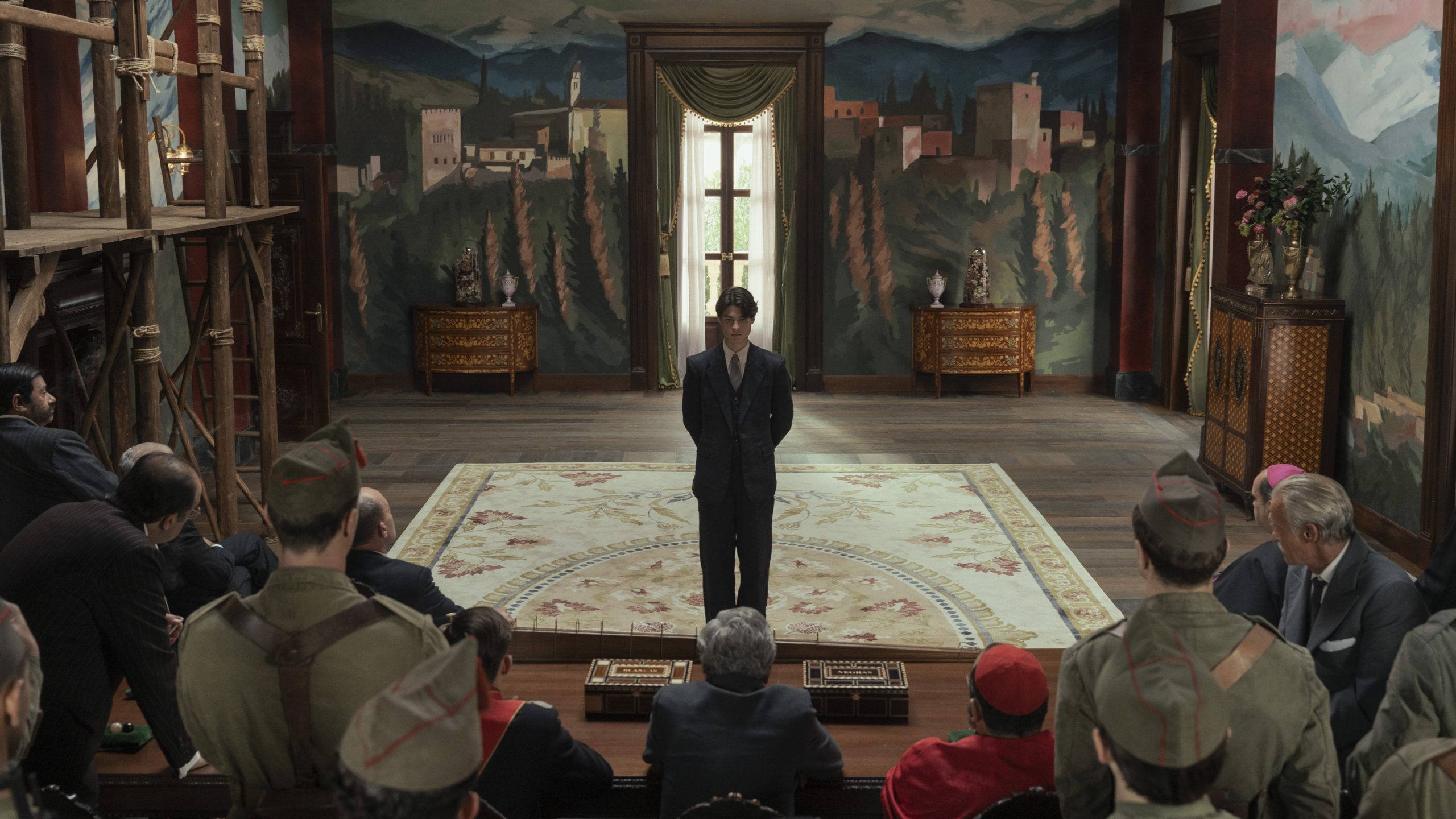
Its mansion, gardens, vegetation, water features, perspectives and depth allow filmmakers to create a wide range of images while maintaining a consistent visual identity. For a production moving between different historical periods, this type of location offers an additional advantage: the ability to suggest the passage of time without having to explain it.
The Albaicín: A Neighbourhood with Its Own Visual Language
The streets of the Albaicín complete the journey through Granada. Their perspectives, slopes, façades and visual relationship with the rest of the city create a distinctive urban landscape that filmmakers can work with naturally.
From a location scouting perspective, these are precisely the kinds of places that stand out: spaces with a strong visual identity that can take on a new meaning when adapted for a production, without losing what makes them unique.
Huerta de San Vicente and Víznar: Landscapes Shaped by History
In La bola negra, this connection between place and memory is particularly powerful at Huerta de San Vicente, the García Lorca family’s summer home, now a museum within the park dedicated to the poet. Its presence creates a direct link between the film and Lorca’s personal and literary world.
The filming locations also include the Víznar ravine, in Granada province, a place associated with Civil War repression and Federico García Lorca’s death.
Cantabria: How a Change of Landscape Changes the Tone
The filming locations of La bola negra extend into Cantabria, where the production visited Comillas, Valdáliga, Herrerías and the surrounding Oyambre area. Here, Granada’s historic architecture and literary heritage give way to a combination of coastline, vegetation, historic buildings and rural landscapes. The geographical shift also creates an opportunity for an emotional change in the story.
Comillas: A Cantabrian Landscape Transformed into a Wartime Setting
Comillas, on the western coast of Cantabria, was one of the key filming locations for La bola negra. What makes it particularly interesting is not just the town itself, but the way the production found spaces within it that could be transformed for the screen.
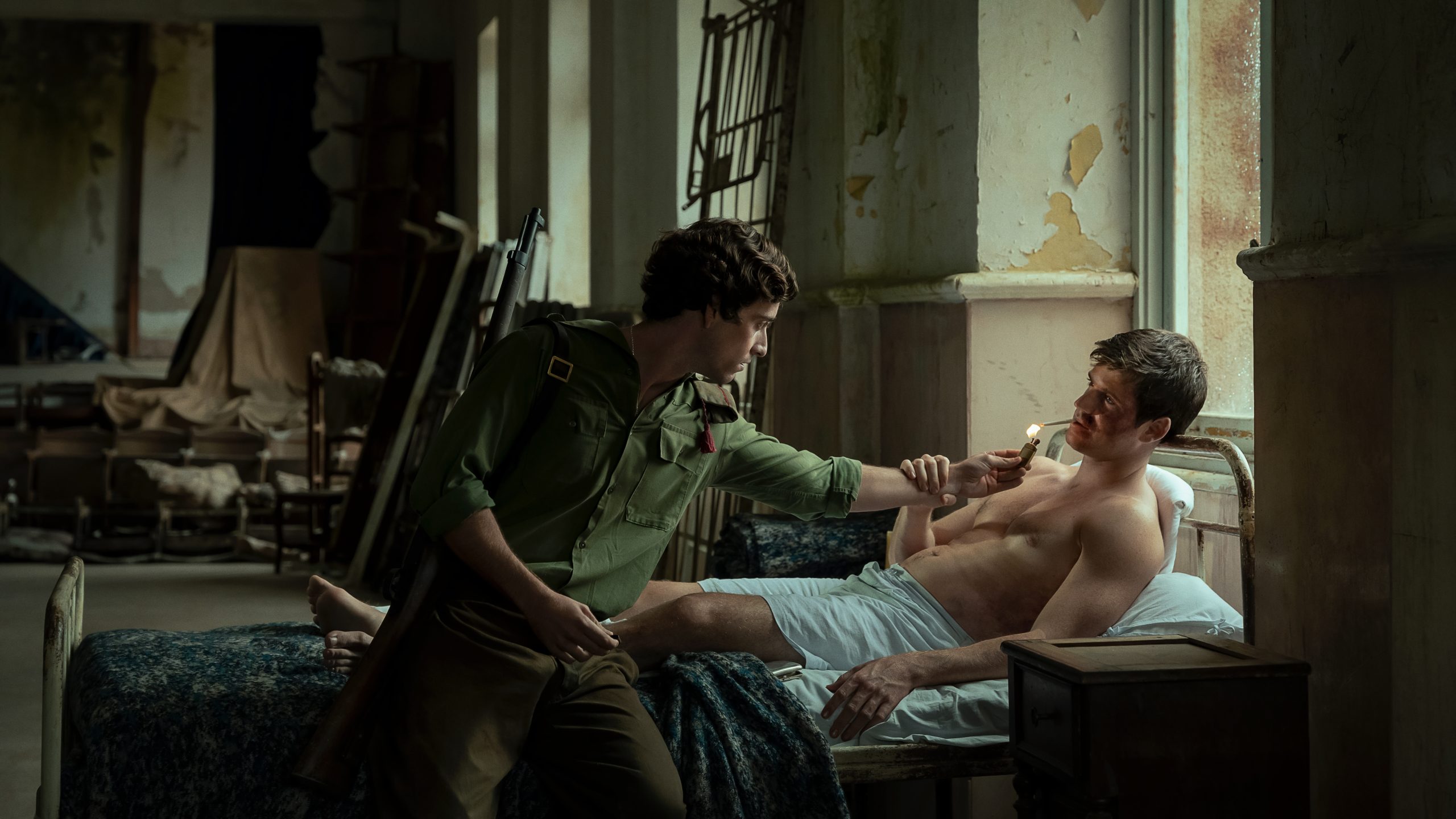
One of the main locations was the former seminary of the Pontifical University of Comillas. Its unrestored buildings were used to recreate several sequences connected to the Spanish Civil War. The site was transformed into a field hospital and also provided settings for other scenes linked to the film’s wartime context.
From a location scouting perspective, this ability to transform an existing space is precisely what makes the site so valuable. Rather than building a set from scratch, the production found real architecture with the right scale, materials, depth and signs of age, which the art department could adapt to the story.
The former seminary’s interiors and structures allowed the film to build part of its wartime world around an existing architectural environment, providing a physical texture that would be difficult to reproduce artificially.
Valdáliga, Herrerías and Oyambre: Landscape as Visual Texture
The production also travelled through Valdáliga and Herrerías, as well as the surrounding Oyambre area. These locations broaden the film’s visual world with rural and natural landscapes.
For cinematographers and camera crews, these environments offer a different scale: country roads, vegetation, open horizons, rural architecture and light that differs markedly from Granada’s.
Castil de Carrias: A Village Frozen in Time
Before moving to Granada and Cantabria, filming for La bola negra began in Castil de Carrias, in the province of Burgos, in August 2025. This small settlement, part of the municipality of Belorado, has a particularly cinematic quality: it looks like a place suspended in time.
Its streets and buildings retain an appearance that makes it possible to evoke earlier historical periods without radically transforming the surroundings. For period productions, locations like this can provide an authentic visual foundation while reducing the need for extensive set construction.
Sigüenza: Stone, Architecture and Another Layer of History
The next stop was Sigüenza, in the province of Guadalajara. Los Javis filmed in the town between 8 and 15 October 2025, incorporating several of its spaces into the film’s visual landscape. Its historic centre retains a strong medieval identity, with the cathedral and castle among its most recognisable architectural landmarks.
Stone streets, façades, squares and urban perspectives create a visual texture that differs significantly from Granada and Cantabria’s landscapes, giving the production another distinct environment to work with.
Madrid: The Story Moves into the Present
After travelling through 1930s Spain and landscapes associated with the Civil War, La bola negra arrives in Madrid for the part of the story set in 2017. Here, the city does not need to be reconstructed: contemporary Madrid becomes part of the narrative in its own right.
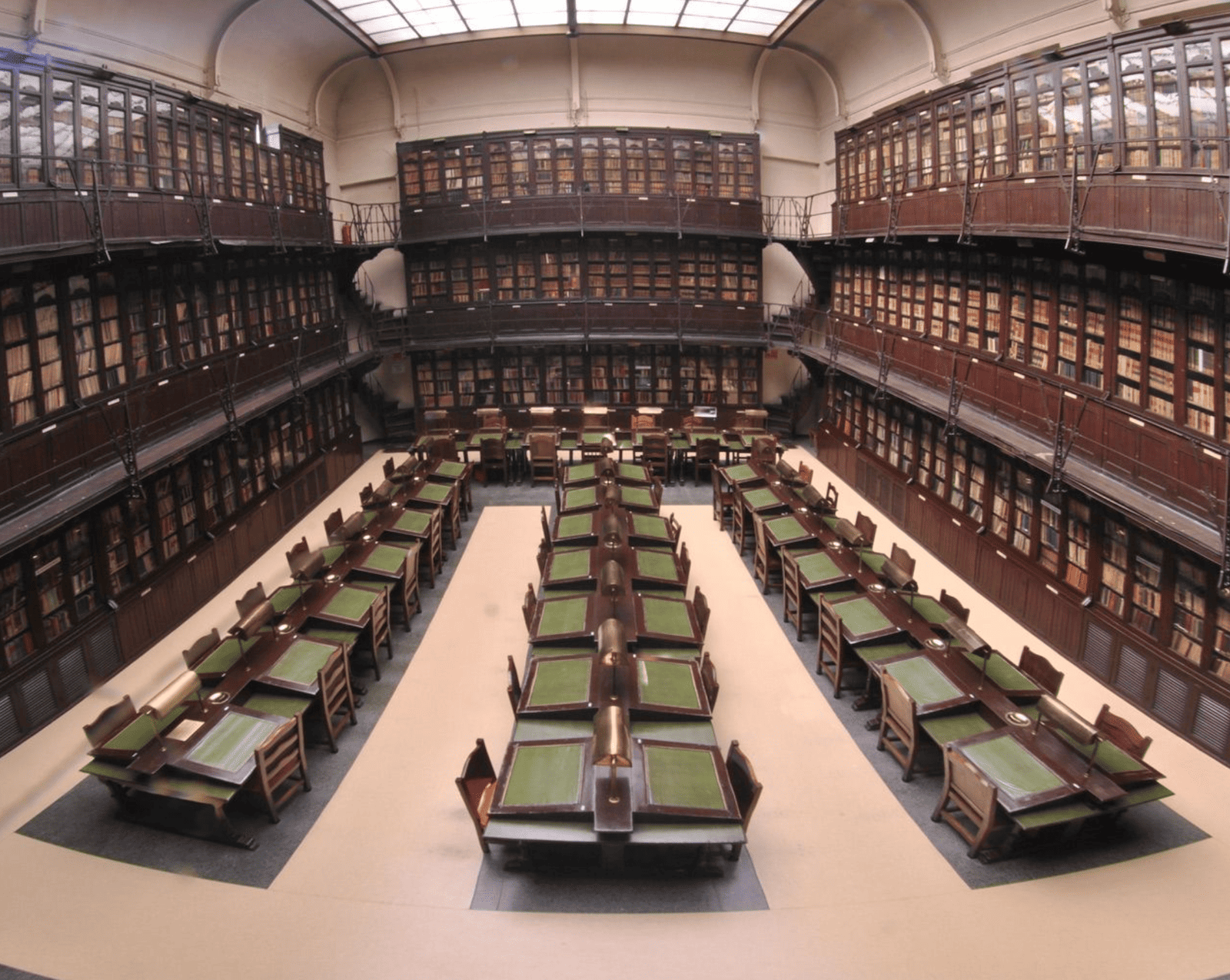
One of the featured locations is the Ateneo de Madrid, whose architecture, library and history contribute a cultural dimension and a sense of collective memory that complement the film’s themes of identity and the past.
Ateneo de Madrid
Bar Cock brings a more intimate scale to the story. Its interior and distinctive character help establish a lived-in Madrid of encounters and conversations, where the space itself contributes to the definition of the characters.
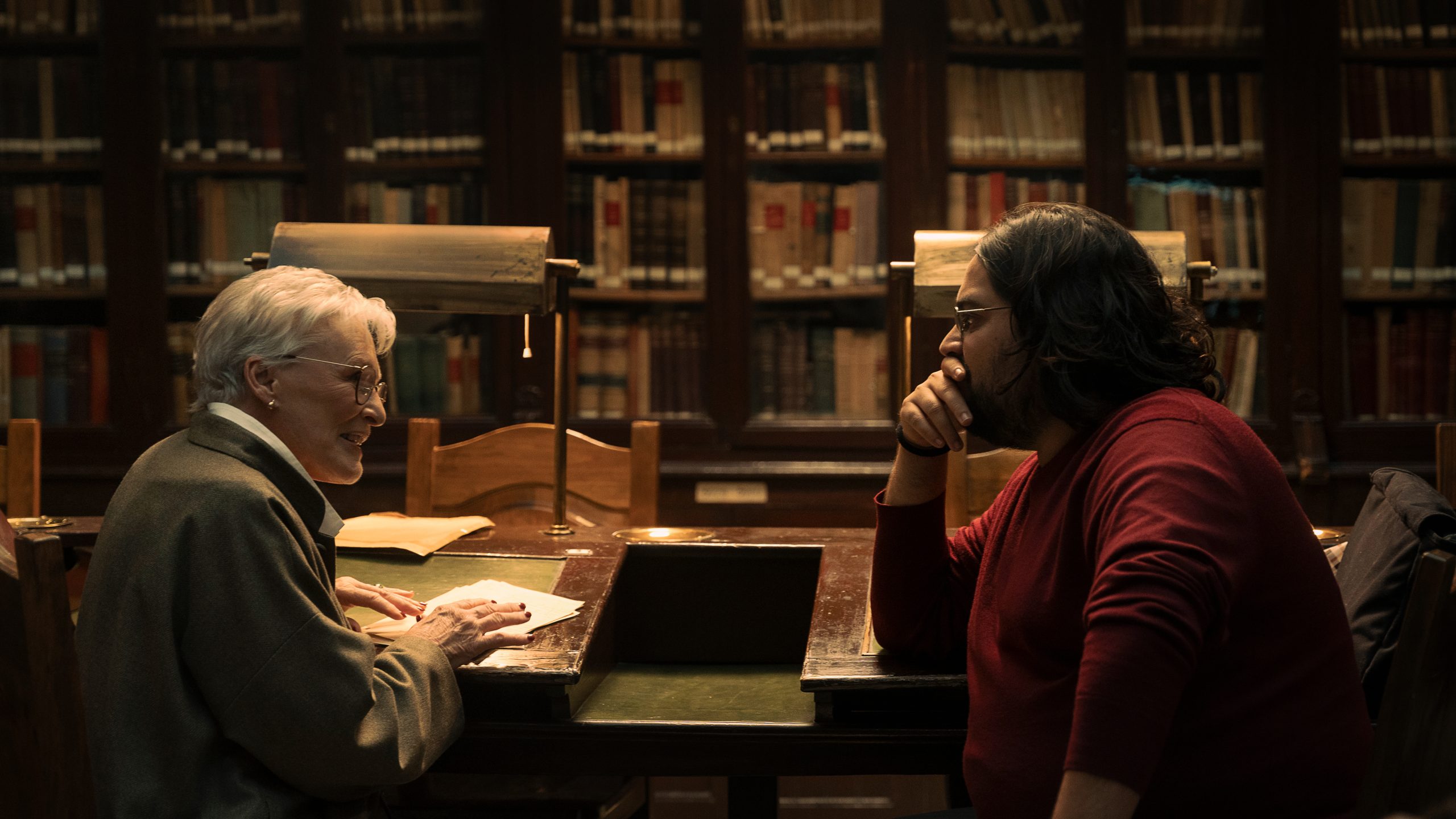
In La Latina, an Asturian restaurant provides the setting for a scene between Alberto and his mother, Teresa. It is a choice that presents an everyday, recognisable side of Madrid, far removed from the city’s monumental landmarks.
Three different spaces help express the same idea: a Madrid that does not need to disguise itself to become part of the story. The production simply needs to find places with character and allow them to speak for themselves.
Find Your Next Filming Location in Spain with Locationow
At Locationow, we specialise in film location scouting and location services in Spain, helping audiovisual productions find the right settings for their creative vision. Any of the locations featured in La bola negra could inspire your next film, television series, commercial, photography shoot or other audiovisual project.
Our platform brings together a wide range of filming locations, from contemporary, rural, minimalist and industrial houses to modern apartments, secluded beaches, cinematic roads, unique landscapes and penthouses overlooking the city.
Whether you are a producer, director, location manager, production designer or photographer working on an international project, Locationow can help you find the right location in Spain. We provide comprehensive location services tailored to productions of different types and scales, supporting projects from the initial search through to filming.
Ready to film in Spain? Discover filming locations with Locationow and tell your story in the right place.